What would our mental health system look like if we designed it to enable much better support from the start?
It is a good question, and particularly relevant in the light of a new Grattan Institute report Special treatment: Improving Australians’ access to specialist care. The report reveals that almost a million people delay or miss specialist care – such as seeing a psychiatrist – because they cannot afford it. Initial psychiatrist consultations can cost up to $670.
We already know through the many submissions to the Productivity Commission’s review into mental health and suicide prevention that the system creates a “postcode lottery” where your location determines your access. This is also supported by the Grattan Institute’s report which says that ‘in many parts of Australia, wait times for urgent appointments are months longer than clinical guidelines recommend’.
The Open Dialogue Centre has long argued that what we see in mental healthcare needs to change, with a system that is fragmented, expensive, and often not accessible to people – where and when they need it.
We know through our community partners that even when people can afford to access specialists, the system still isolates them from their support networks – like family, friends and significant others in the community.
One solution, among many, is to reshape Australian mental health care and wellbeing to enable communities to shape and own their own care to prevent the escalation of mental health difficulties and create opportunities for healing and recovery to occur.
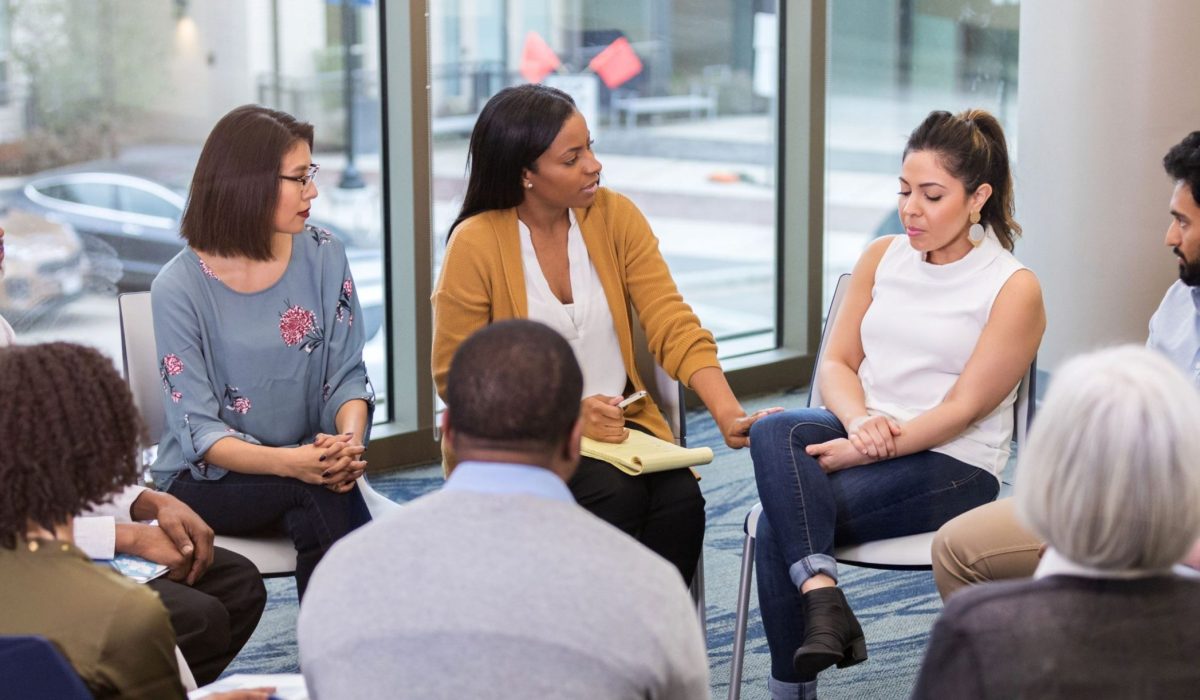
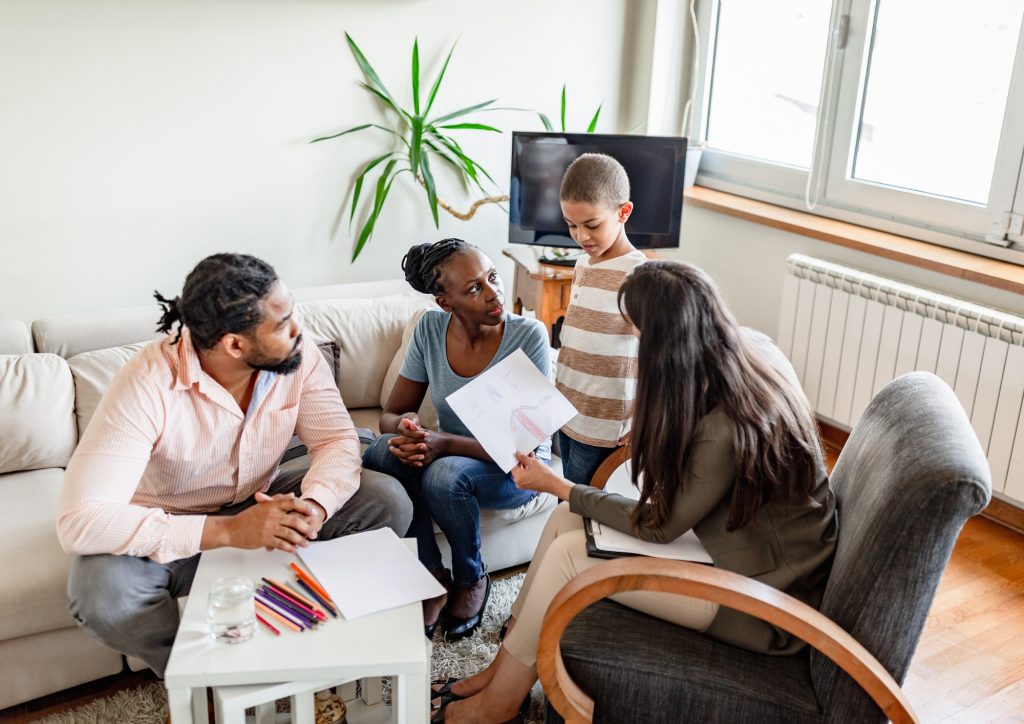
This is where Open Dialogue comes in. Clinicians have been developing the concept since the 1980s. It brings the person experiencing distress together with their family, friends and health professionals to explore perspectives on the crisis at hand. The aim of meetings is not to reach a rapid solution or to immediately change the direction or dynamic of the family. It is a dialogue to understand what this problem is all about, and what has happened in the life of the person
Through our work with our partners, we can understand the benefits for the person needing support who begins to feel listened to and taken seriously. We can see the healing happening. This is not to say that Open Dialogue is anti-medication or hospitalisation. It is however an accepted way of working with people with mental health difficulties.
Lorem ipsum dolor sit amet, consectetur adipiscing elit. Ut elit tellus, luctus nec ullamcorper mattis, pulvinar dapibus leo.
The World Health Organisation considers Open Dialogue to be a world standard for community mental health services. It has produced guidelines for those who
wish to develop or transform their mental health system and services to align with international human rights standards including the UN Convention on the Rights of Persons with Disabilities.
The Open Dialogue Centre is establishing ways to implement Open Dialogue in Australia. While far from reporting on them, one thing is clear: the demand for the approach is strong
While better funding and access to services is crucial, so too is the need to transform how specialist care is delivered.